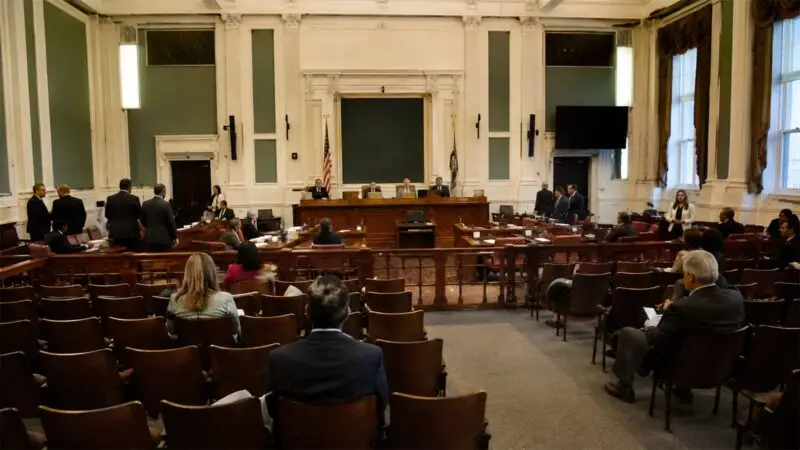



Somewhere in the files of the infrastructure ministry is a report, dated 2015, proposing substantially what the Assembly will vote on this week: barriers at the Halvern estuary, pumps in the Aldenne Valley, $6bn at that decade’s prices. It was shelved for being expensive. The intervening years have been an education in what expensive means.
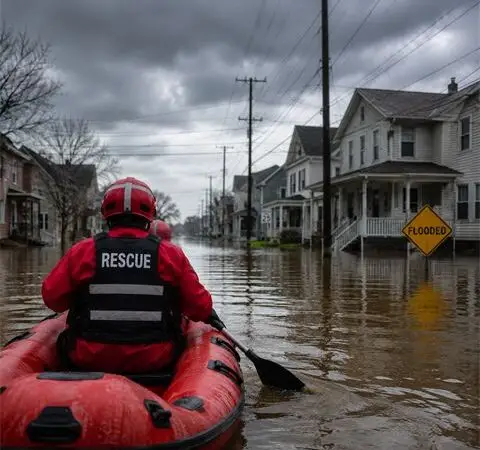
Since that report gathered its dust: three winters of valley flooding, an insurance retreat that stripped standard cover from 30,000 coastal homes, and a storm season — 2023’s — whose damage bill alone would have funded the shelved plan’s first phase. Doing nothing was not free. It was merely invoiced later, to different people, at a markup.
This is the pathology of infrastructure politics everywhere: costs are certain, visible and yours; benefits are diffuse, deferred and someone else’s. A minister who builds a barrier buys concrete and criticism; the floods that never happen hold no press conferences. It takes an unusual alignment — fear, evidence and a parliament wanting a legacy — to break the pattern. We should say plainly: this week, ours did.
The bill’s critics are not wrong in the particulars. The valley’s inland works are sequenced too late; contractor capacity is genuinely scarce; $9bn will meet optimism bias, as megaprojects do. The quarterly audits the opposition extracted are not obstruction — they are the programme’s immune system, and future ministers who resent them should be reminded why they exist.
But the particulars must not obscure the category. This is the rare public purchase whose alternative is not savings but slow-motion loss — of insurability, of ground floors, of towns’ belief in their own futures. Brenn has sandbagged the same street for nine years. The state has finally decided to stop renting resilience by the winter and to buy it outright.
A decade late, at half again the old price, with audits attached: that is not a triumph of planning. It is something rarer and more useful — a country paying its own invoice at last.